July 9, 2026
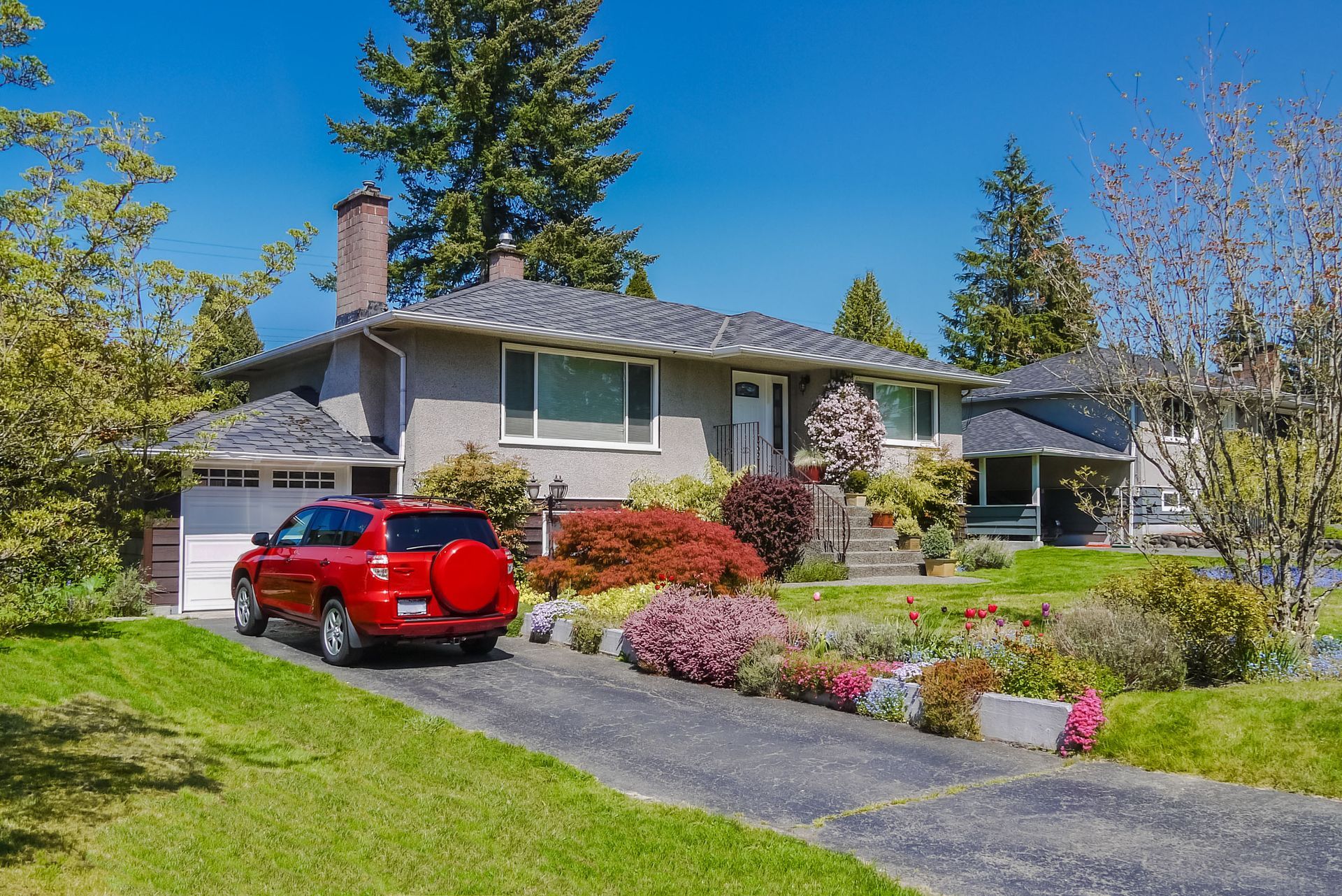
Asphalt driveways are a common and attractive choice for homeowners, offering a durable surface that enhances the curb appeal of a property. Over time, however, asphalt is subject to wear and tear from weather conditions, vehicles, and other environmental factors, which degrade its quality. Implementing a routine maintenance program that includes sealcoating can significantly extend the life of your asphalt driveway, saving you money and time in the long run. This article will delve into the significance of sealcoating, providing clarity on its functionality, benefits, and application process. By understanding these elements, you can optimize your driveway maintenance strategy and ensure your driveway remains in pristine condition for many years. Partnering with professional asphalt contractors guarantees that your investments are handled with expert precision and structural integrity.
Understanding Asphalt Driveways and Maintenance Economics
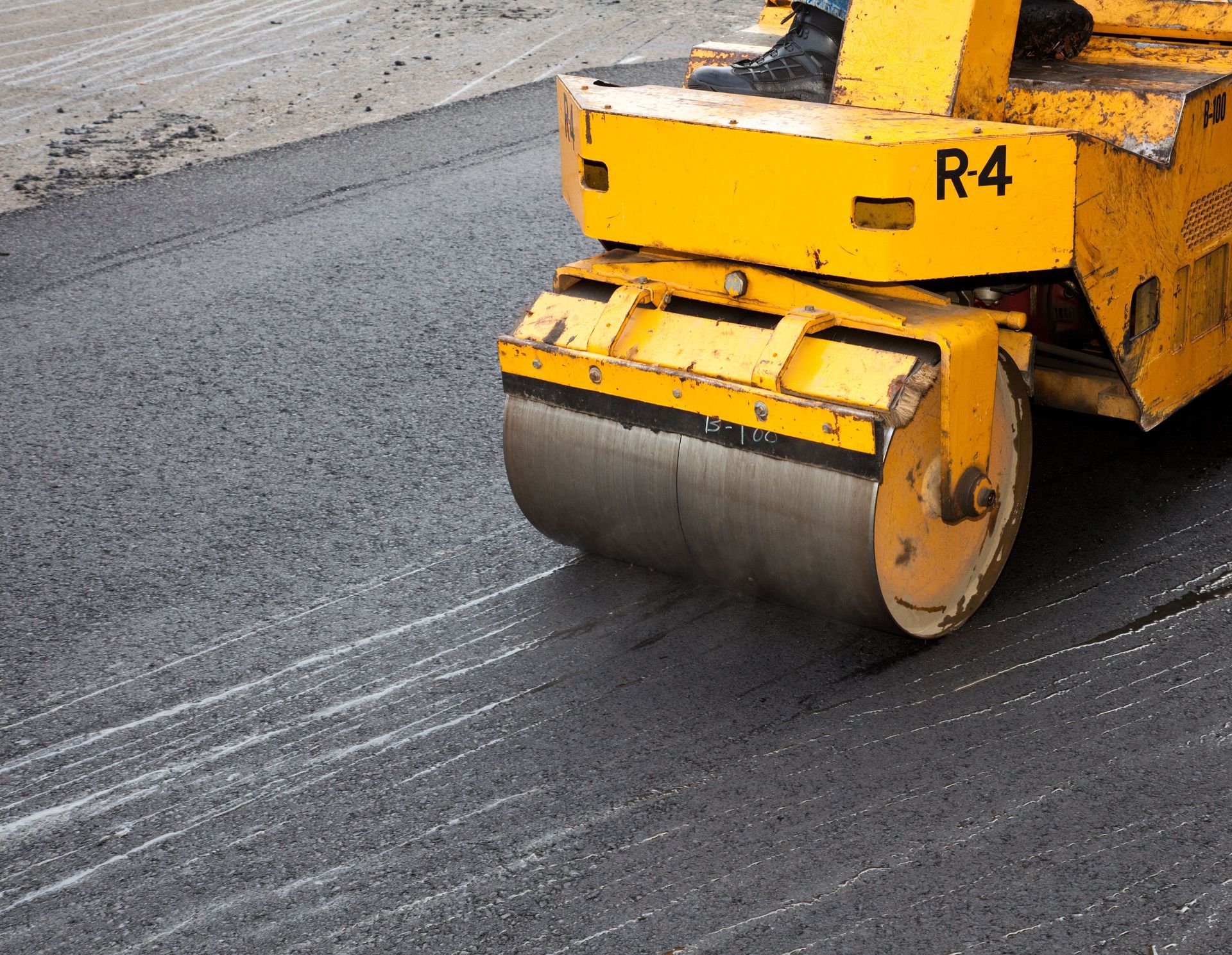
Asphalt contractors understand that driveways are typically composed of a mixture of aggregates such as sand, gravel, or crushed stone, combined with a binder known as bitumen. This binder provides the necessary adhesive quality that holds the composite materials together, ensuring structural integrity. Once laid, this mixture is compacted using heavy machinery to form a smooth, solid surface able to support vehicle traffic. Despite its robust construction, asphalt is a material that inherently requires maintenance due to its susceptibility to heat, moisture, and UV radiation.
Asphalt driveways are subject to a range of common problems, including cracking, potholes, and surface deformations due to temperature fluctuations. Exposure to the elements, particularly water infiltration, can accelerate these issues by eroding the base layer stability beneath the surface. Regular maintenance, carefully executed by experienced asphalt contractors, provides an effective means for mitigating these common issues, extending the life of the driveway.
According to Today's Homeowner, sealcoating every 2 to 4 years and addressing cracks promptly helps preserve the value of an asphalt driveway. Consistent maintenance prevents minor issues from escalating into significant structural impairments, reducing repair costs.
What is Sealcoating?
Sealcoating is a process that involves applying a protective coating to the surface of an asphalt driveway to safeguard it against external elements such as moisture, UV rays, and automotive chemicals. This process serves to extend the longevity and durability of the asphalt by providing an impermeable barrier that limits the impact of environmental factors. The primary purpose of sealcoating is to mitigate aging and deterioration processes by replenishing the binder component of the asphalt and filling surface imperfections.
There are various types of sealcoat materials available, each offering distinct protective properties and advantages depending on the specific needs of a driveway. Among the most common types are asphalt-based sealers and coal tar sealers, each providing varying degrees of resilience and chemical resistance. Specialized asphalt contractors can help you evaluate your options, including modern acrylic and eco-friendly sealers that increasingly cater to sustainability-conscious homeowners.
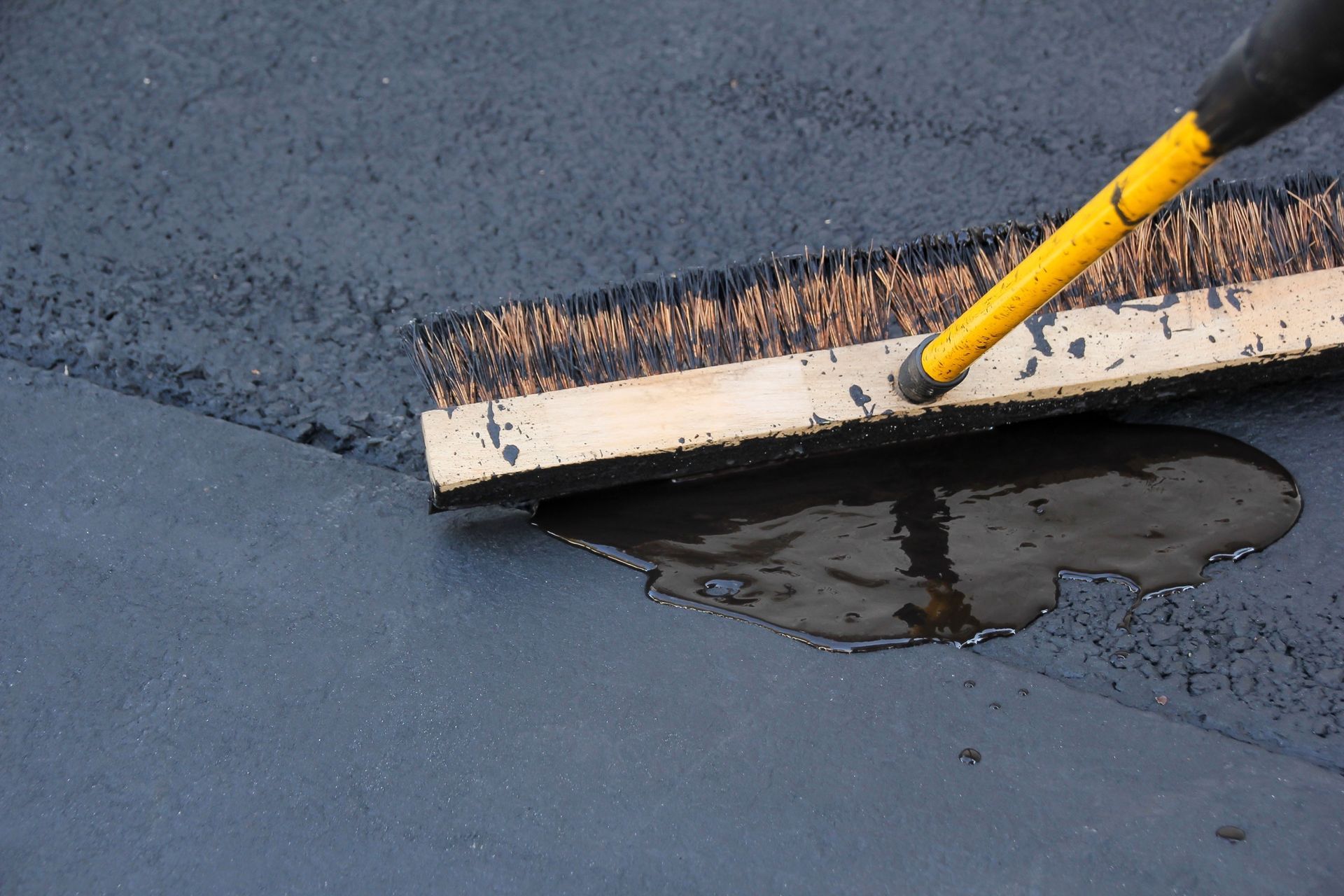
The application of sealcoating involves several key steps that ensure its effective performance and longevity. Initially, the driveway must be meticulously cleaned and any existing cracks repaired to ensure that the sealcoat adheres optimally to the surface. Once preparation is complete, the sealcoat is evenly applied across the asphalt surface using specialized tools. After application, it is crucial to allow sufficient drying and curing time.
Core Benefits of Sealcoating Your Driveway
Water is one of the most damaging elements to asphalt driveways, as it can penetrate and weaken the structural integrity of the material. Sealcoating acts as a barrier, preventing moisture from seeping into the asphalt and reaching the sub-layer foundation where it can cause erosion. This protective layer is particularly crucial in climates that experience rainfall, ice, and snow as it minimizes freeze-and-thaw cycles that contribute to surface cracking and expansion.
Extended exposure to sunlight causes oxidation, a chemical process that hardens and deteriorates asphalt surfaces, leading to brittleness and cracking. Sealcoating provides a shield against the sun's ultraviolet rays, thereby reducing the oxidation rate and preserving the flexible nature of asphalt necessary for long-term durability. Beyond UV protection, sealcoating also combats weather extremes by limiting the detrimental effects of seasonal cyclic changes in temperature.
Incorporating sealcoating into regular maintenance routines contributes to a notable reduction in general repair costs over the driveway's lifetime. By sealing and protecting the surface from destructive elements like water and UV rays, sealcoating minimizes the occurrence of cracks and potholes. As it serves as a preventive measure, investing in periodic sealcoating reduces the need for extensive interventions, such as resurfacing or replacement.
The Science Behind Sealcoating
The effectiveness of sealcoating lies within its application process, where it adheres closely to the driveway surface, creating a cohesive bond that acts as a protective shield. This sealing motion fills minor surface irregularities and small cracks, preventing the intrusion of water, chemicals, and other elements that would otherwise contribute to damage. Consequently, the protection provided contributes steadfastly to the longevity of an asphalt driveway.
Constant exposure to the sun's ultraviolet radiation is detrimental to asphalt driveways, as it catalyzes the breakdown of binder material, leading to fading and surface wear. Sealcoating acts as a sunscreen for the driveway, reflecting UV rays and protecting the asphalt layer from degrading. This protection from UV damage ensures that the integrity of the driveway is preserved.
Step-by-Step Guide and Post-Application Care
Proper preparation of the driveway is crucial for achieving effective results during sealcoating applications. Start by removing any dirt, debris, and stains using brooms or pressure washers. Address existing cracks or potholes by cleaning and filling them with appropriate crack fillers to provide a level surface, allowing for smooth, even coat applications.
Selecting the correct sealcoat material is imperative for maximizing the benefits and longevity of the application. Consider the specific needs of your driveway, including its usage patterns and exposure to elements. Licensed asphalt contractors can guide you to trusted brands with a record of reliable protection and durability, ensuring the choices align with your budget.
For the finest outcome, follow the manufacturer's instructions and ensure even distribution using spray systems or squeegees for larger surfaces, or brushes for targeted areas. Begin at one end of the driveway, and work systematically toward the other, overlapping slightly with each pass to secure full coverage and prevent any gaps. Complete multiple thin layers for better curing.
Once the sealcoating is applied and cured, practicing diligent post-application care is essential for sustaining the protective barrier. Continue regular inspections to detect any emerging cracks or surface defects, addressing them swiftly to forestall any extensive repairs in the future. Establish a resealing schedule based on the driveway’s condition and recommendations, typically spanning every 2 to 4 years for optimal upkeep. Consulting with professional asphalt contractors ensures your post-application care preserves the driveway for years to come.
A thorough understanding and implementation of effective pavement upkeep strategies can significantly enhance the long-term durability and structural performance of your driveway. From executing regular seasonal inspections to choosing the highest tier of replacement sealants, every single action you take toward maintaining your property is a proactive step forward in safeguarding your home. Trusting qualified asphalt contractors to perform this preventative maintenance shields your pavement from harsh freeze-thaw cycles, automotive chemical spills, and intensive solar oxidation. Incorporate these simple tips into your annual home maintenance routine for long-lasting, reliable protection.
When you are ready to secure your property with exceptional pavement craftsmanship, transparent pricing, and robust structural warranties, partner with the experienced professionals at T & H Paving LLC. Their fully licensed team specializes in delivering premium commercial and residential services, comprehensive sealcoating solutions, and detailed structural pavement inspections tailored directly to your home's unique architectural needs. Contact their customer support team today to secure a professional consultation and guarantee total peace of mind for your household.